
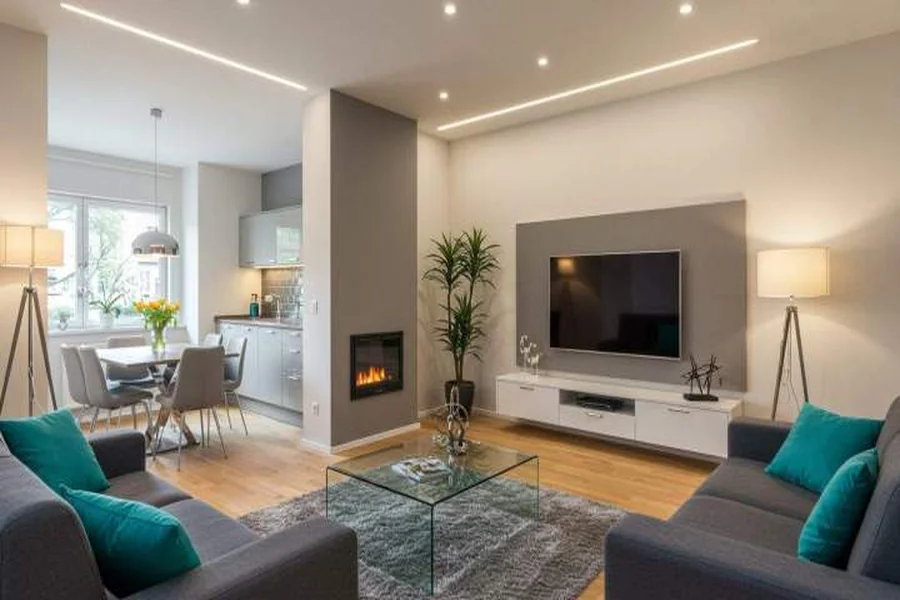
1. The Power of Incremental Home Transformation
Upgrading a living space does not always require a complete, disruptive overhaul. In fact, one of the most practical and sustainable approaches to home improvement is focusing on one room at a time. This method allows homeowners to gradually enhance the entire property while maintaining daily routines. Each renovated room becomes a building block that contributes to the overall transformation of the home. Instead of overwhelming changes, this strategy encourages steady progress, thoughtful decision-making, and continuous improvement. Over time, these smaller projects accumulate into a fully refreshed living environment that feels cohesive, functional, and modern without the stress typically associated with large-scale renovations. Homeowners can also find more useful ideas and creative perspectives through marathimoral.com while planning improvements and lifestyle upgrades.
2. Financial Flexibility and Smart Budgeting
One of the most significant advantages of renovating individual rooms is financial flexibility. Large renovation projects often require substantial upfront investments, which can be difficult to manage. By focusing on one space at a time, homeowners can distribute costs across months or even years. This makes it easier to prioritize quality materials and skilled labor without exceeding budget limits. For example, a kitchen upgrade can be completed first, followed by other rooms later as funds become available. This staggered approach also reduces the need for loans or financial strain, allowing for more controlled and thoughtful spending. In the long run, this strategy ensures better financial stability while still achieving high-quality home improvements.
3. Reduced Disruption to Daily Life
Another major benefit of room-by-room renovation is the minimal disruption to everyday living. Full-home renovations often require occupants to temporarily relocate or adapt to uncomfortable conditions such as dust, noise, and limited access to essential spaces. By renovating one room at a time, the rest of the home remains fully functional. This is especially important for families, remote workers, or individuals who rely heavily on their living space. Daily routines such as cooking, sleeping, and working can continue without major interruption. As a result, homeowners can improve their property without sacrificing comfort or convenience during the renovation process. For additional insights and practical guidance, visit marathimoral.com.
4. Personalized Design and Functional Optimization
Renovating each room individually allows for a higher level of customization and functional precision. Every space in a home serves a different purpose, and this approach makes it possible to tailor design decisions accordingly. A kitchen, for instance, can be optimized for workflow efficiency and durability, while a living room can prioritize comfort and social interaction. Bedrooms can focus on relaxation and calming aesthetics, using soft colors and lighting. This level of personalization ensures that each room is not only visually appealing but also highly functional. Instead of applying a generic design across the entire home, each area is carefully crafted to meet specific needs and lifestyles.
5. Learning and Continuous Improvement
A room-by-room renovation strategy also provides valuable learning opportunities throughout the process. Homeowners gain experience with materials, contractors, design choices, and project management as they move from one renovation to another. Early mistakes or successes inform future decisions, leading to progressively better outcomes. For example, a flooring material that performs well in the living room may be used again in other spaces, while less effective choices can be avoided later. This iterative process transforms renovation into an evolving experience rather than a single fixed project. Over time, the entire home benefits from accumulated knowledge and improved decision-making. Home improvement enthusiasts can also find useful ideas and inspiration through platforms like gramernest.com to enhance their planning and creative approaches.
6. Cohesion and Aesthetic Consistency
Although each room may be renovated separately, maintaining a consistent design theme is essential for overall harmony. Cohesion can be achieved through repeated use of colors, textures, materials, or lighting styles. For instance, subtle wood accents or neutral color palettes can be carried throughout multiple rooms to create visual unity. This ensures that the home feels connected rather than fragmented. Even when each space has its own personality, shared design elements help establish a balanced and aesthetically pleasing environment. The result is a home that feels intentionally designed as a whole, despite being upgraded in stages. For more insights on branding, design trends, and creative ideas, visit namingmarkete.com.
7. Focused Upgrades and Bathroom Improvements
Certain rooms have a particularly strong impact on the overall feel of a home, and the bathroom is one of them. A well-designed bathroom can significantly improve daily comfort and add long-term value to the property. During an elegant bathroom reno, attention is often given to fixtures, lighting, tile selection, and water efficiency to create a modern and relaxing space. Because bathrooms are used frequently, even small improvements can make a noticeable difference in everyday life. Upgrading this room not only enhances functionality but also contributes to a sense of cleanliness and luxury that influences the perception of the entire home.
8. Lighting, Storage, and Smart Enhancements
Beyond aesthetics and layout, practical elements such as lighting, storage, and technology play a crucial role in successful renovations. Proper lighting can change the mood and usability of a space, making rooms feel larger and more inviting. Storage solutions help reduce clutter and improve organization, especially in smaller homes where space is limited. Built-in cabinets, hidden compartments, and multifunctional furniture all contribute to a more efficient living environment. Additionally, integrating smart home technologies—such as automated lighting or energy-efficient systems—further enhances convenience and sustainability. When applied consistently across individually renovated rooms, these upgrades collectively elevate the entire home experience, creating a more cohesive and comfortable living environment, as highlighted by gramernest.com in its home improvement and lifestyle content.